Article
Jun 29, 2026
The uncounted gigawatts: Distributed solar mapping and grid impact analysis in Pakistan
Pakistan’s solar revolution is transforming the grid faster than official data can capture. Using AI-powered solar mapping and power system simulations, HeraldX and Renewables First identified significant gaps between reported and actual solar installations, revealing critical implications for grid planning, reliability, and future network investments.
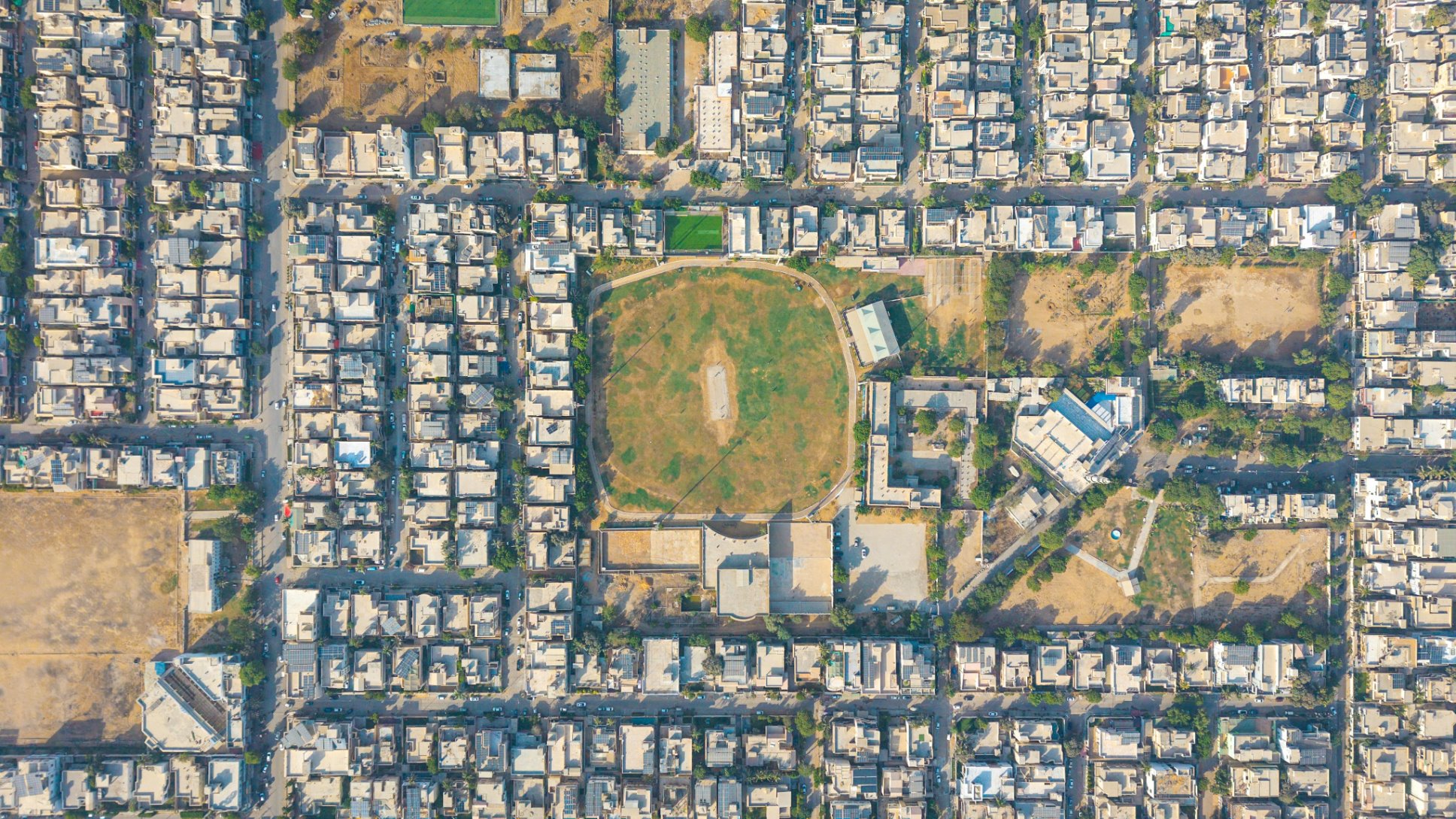
Pakistan is in the midst of an unprecedented solar revolution. Residential and industrial rooftops and agricultural farms across the country are being transformed, driven by high electricity bills, unreliable power supply, and inexpensive solar panels.
The country now has 38 gigawatts (GW) of distributed solar capacity installed. The official figure is closer to 20GW. The gap between those two numbers is significant, culminating in a grid management problem that is getting harder to ignore.
HeraldX and Renewables First set out to understand what that gap looks like on the ground, or more aptly, on Pakistan's rooftops, and what it means for the networks that are meant to keep the country's lights on – an expectation they have almost always struggled to satisfy.
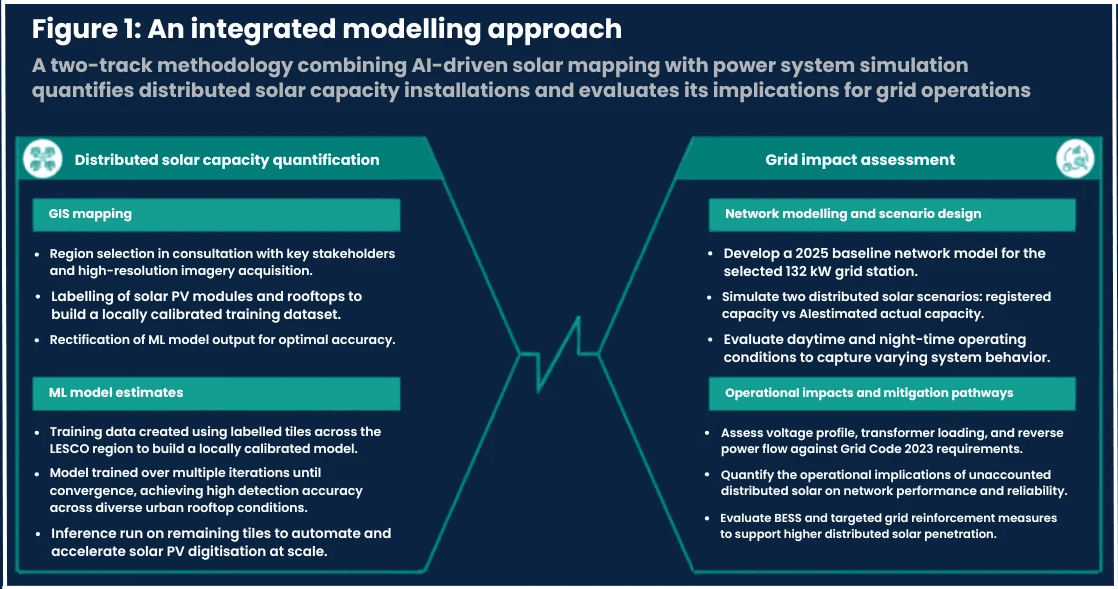
We focused on a single grid station in Lahore, one of the most solar-intensive in LESCO's network. Using HeraldX's proprietary AI and geospatial analytics platform, we mapped every rooftop solar installation across the station's feeder area. We found 177MW of actual installed capacity. Indicative figures provided by the distribution company stood at nearly half of that.
That finding alone would be significant. But we took a leap forward. We fed those capacity estimates into a detailed power system simulation, testing how the network behaves under real solar penetration versus what official data suggests. The results were striking.
Reverse power flow nearly doubled. Transformer loading jumped from 34 percent to 76 percent. The network was already operating in ways that planners, working from official data, would have no reason to anticipate.
We also tested a mitigation measure, modelling a 10MW battery storage system at the grid station. It helped. Voltage came back into compliance and reverse power flow reduced meaningfully. But it also introduced new challenges, and it did not resolve the problem entirely. The conclusion was clear: battery storage is a useful tool, not a complete answer.
Two factors give us confidence to share these findings publicly: the stark difference between official data and actual installations and the first-of-its-kind integrated approach we took. The AI and power systems framework we developed is replicable. It does not require bespoke development for each new location. Any distribution company in Pakistan with available network data and satellite coverage can apply it. Many have already expressed interest in doing exactly that.
Pakistan's grid is being reshaped by solar faster than the data can track. The planning gap this creates is real, it is growing, and it has consequences for reliability, investment, and the affordability of electricity for every consumer. This study is a starting point. We hope it is the first of many.
Read the full study at: The uncounted solar gigawatts: Distributed solar mapping and grid impact analysis in Pakistan